




Behind every record-breaking FPV drone flight lies a tiny powerhouse: the high-discharge battery. It dictates speed, endurance, and survival.
The skies are buzzing. In the deserts of Nevada, FPV (First-Person View) racers push past 200 km/h. Across Eastern Europe, compact drones redefine modern tactical reconnaissance. In logistics hubs from Silicon Valley to Singapore, unmanned aerial vehicles (UAVs) deliver critical supplies. These aren’t just isolated trends; they represent a global explosion in FPV adoption. Yet, beneath the hype, a critical bottleneck limits performance: the high-discharge battery.
01 The Global FPV Explosion: A Market on Fire
The numbers speak for themselves. The global FPV drone market is projected to surpass $5 billion by 2025, driven by a 28% CAGR in the consumer racing segment. Military and tactical applications have seen exponential growth, with hundreds of thousands of units deployed in recent conflicts.
However, this rapid expansion has exposed a glaring weakness: energy density versus power output. Standard Lithium Polymer (LiPo) batteries struggle to keep up. They suffer from:
- Voltage Sag: Under high load, voltage drops instantly, causing motors to lose thrust.
- Thermal Runaway: Sustained high-current draw generates excessive heat, risking fire or failure.
- Cycle Degradation: At discharge rates above 10C, conventional cells often fail within 50 cycles.
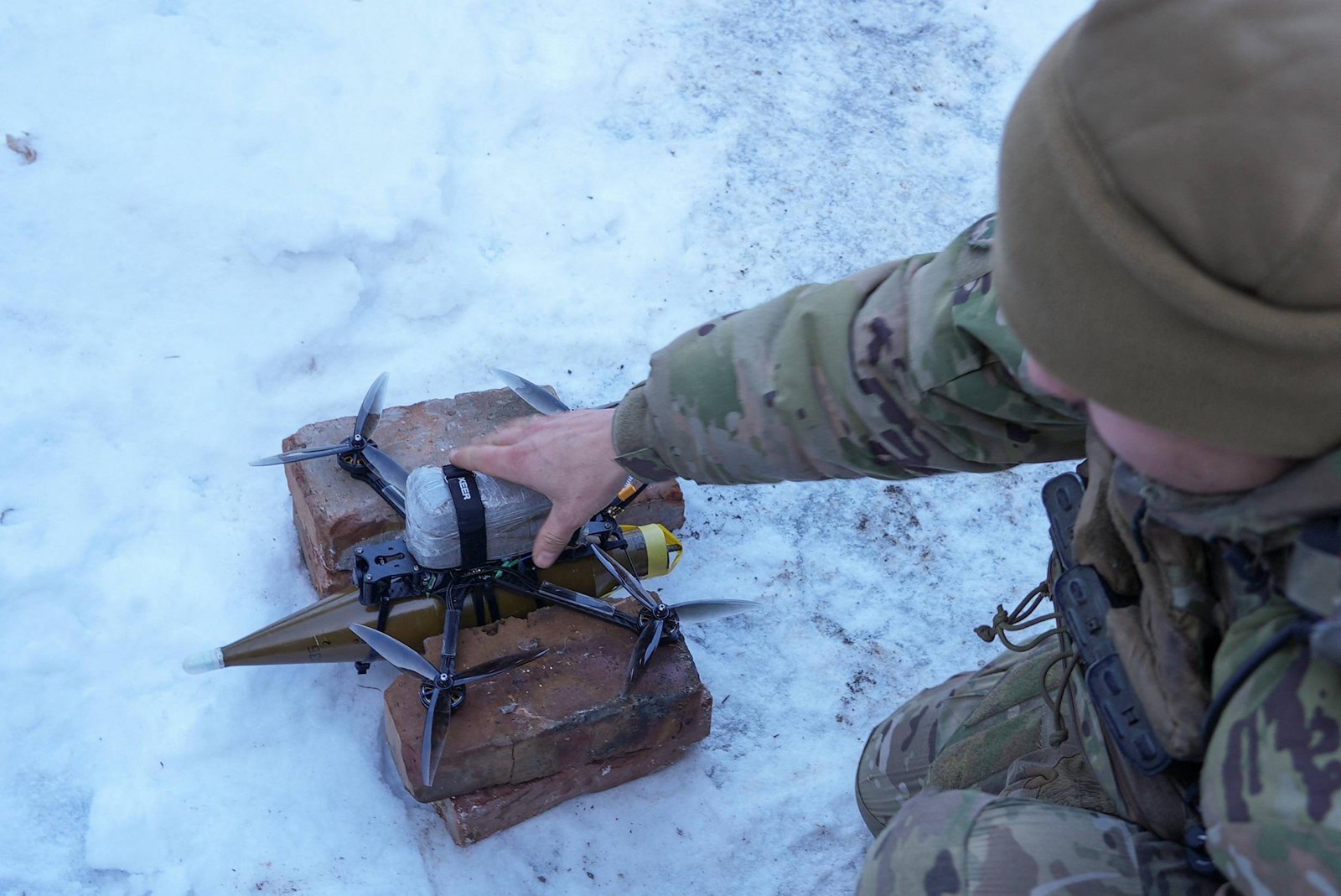
02 High-Discharge Batteries: The Heart of the FPV
What separates a standard battery from a high-discharge powerhouse? It comes down to internal resistance (IR) and chemical composition. Consider the industry-standard 6S 1300mAh pack used in most racing and tactical drones:
| Parameter | Standard LiPo | High-Discharge LiPo |
|---|---|---|
| Continuous Discharge | 10-20C | 50-150C |
| Internal Resistance | ≥15 mΩ | ≤5 mΩ |
| Max Continuous Current | 26A | 65A+ |
| Peak Power Output | ~400W | 1200W+ |
Achieving these specs requires advanced engineering. Silicon-Carbon (Si/C) anodes increase capacity beyond 450mAh/g. Stacked electrode designs (lamination) replace traditional winding to minimize resistance and improve cooling. Nanocoated current collectors reduce polarization, ensuring stable voltage even under extreme stress.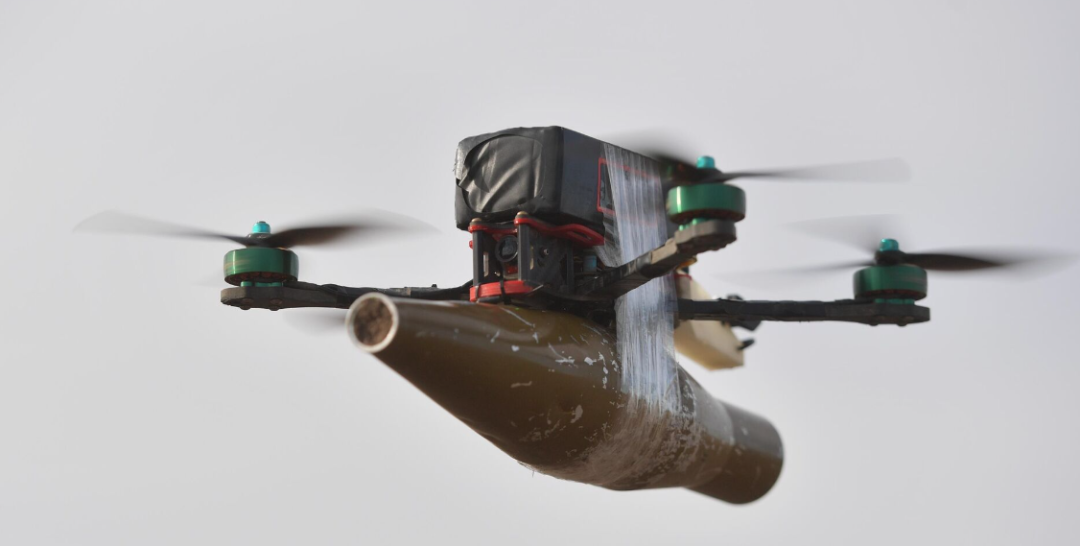
03 Mapping the Demand: From Racing Gates to Battlefields
Consumer Racing: The Need for Speed
In the Drone Racing League (DRL), pilots demand 100C+ burst rates to accelerate from 0 to 160 km/h in under 3 seconds. Batteries must maintain stability across a wide temperature range (-10°C to 60°C).
Industrial & Logistics: Balancing Payload and Endurance
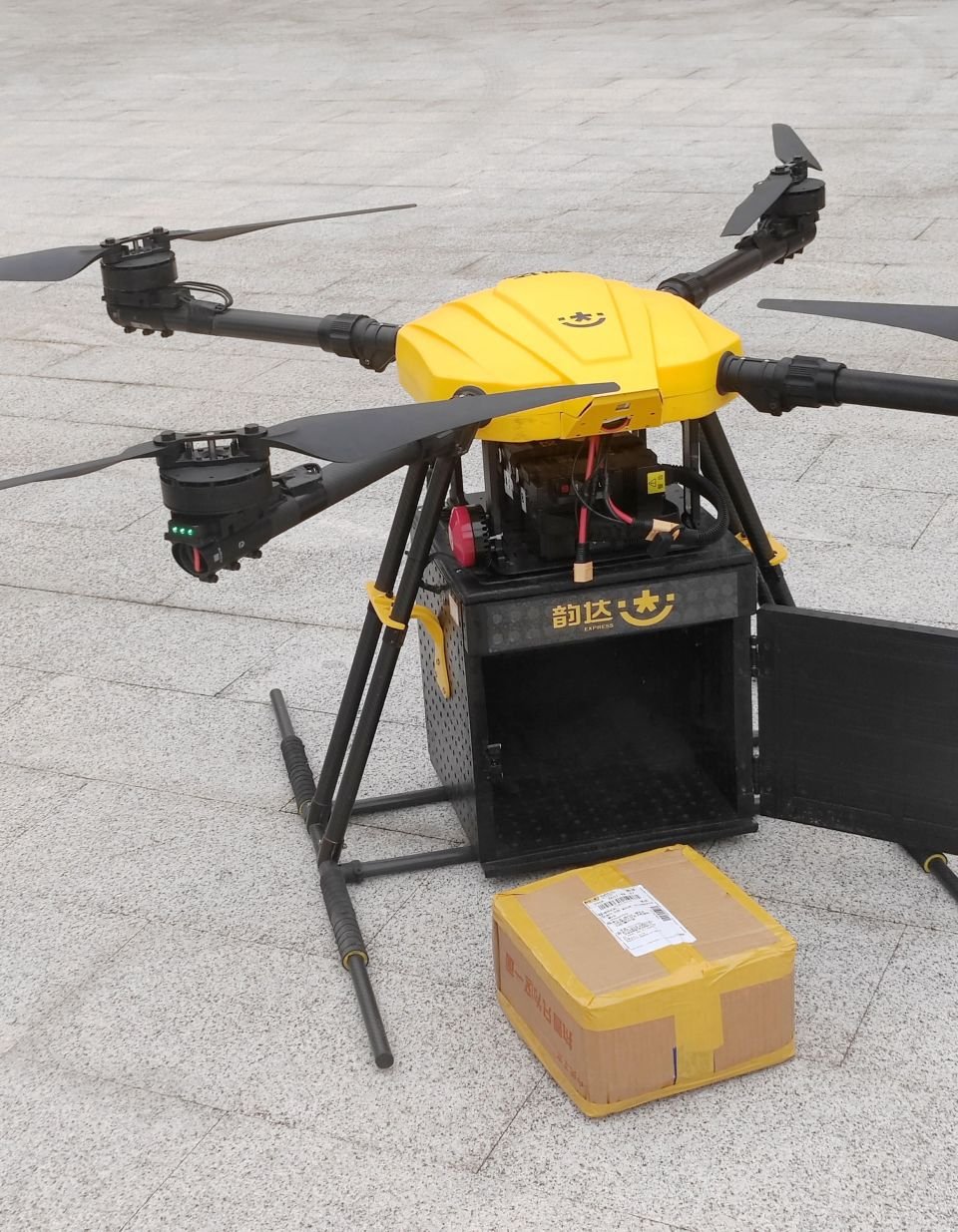
For companies like Amazon Prime Air or Zipline, the challenge is cycle life. Batteries must support high discharge for takeoff and landing while maintaining longevity over 300 charge cycles. Agricultural drones require sustained 30A loads for 15-20 minutes without overheating.
Tactical & Military: Reliability Under Fire
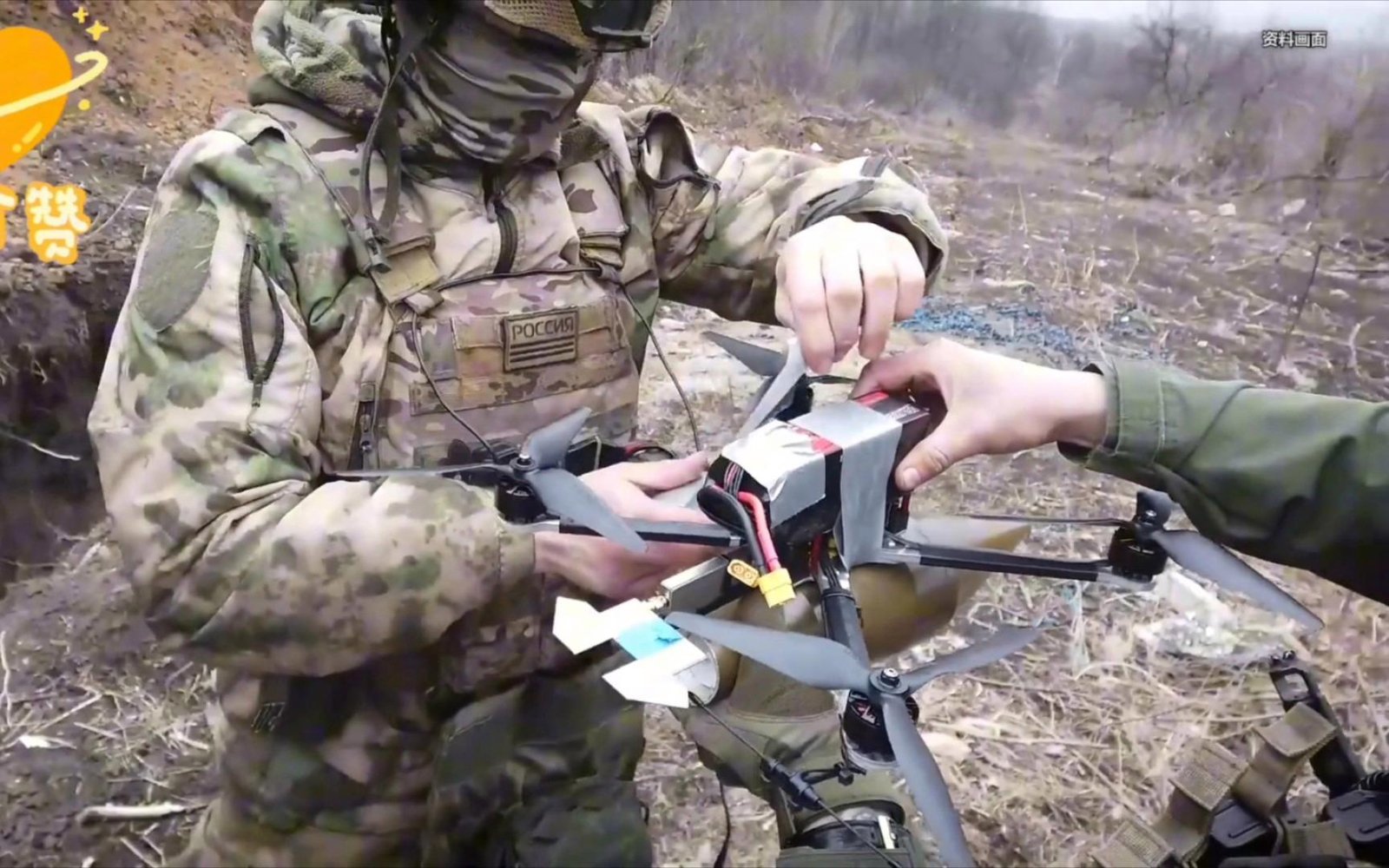
On the front lines, reliability trumps all. Standard batteries can lose 40% of their capacity in sub-zero temperatures. Next-gen tactical batteries utilize low-temperature electrolytes and self-heating systems to retain over 85% capacity in extreme cold.
04 The Innovation Edge: How Chinese Manufacturers are Leading
Chinese battery manufacturers are at the forefront of solving these challenges, driving global supply:
- Ultra-Thin Foil Technology: Companies like CATL are developing thinner copper foils, increasing the electrode surface area and reducing heat buildup during 100C discharges.
- Honeycomb Electrode Structures: BYD and others are utilizing unique structural designs to lower IR below 3 mΩ, allowing for higher sustained currents.
- In-Situ Polymerization: Firms like EVE Energy are stabilizing silicon anodes, controlling swelling to less than 8% and drastically improving cycle life.
This innovation is reflected in export data: High-discharge LiPo exports grew by 210% YoY in Q1 2025, with FPV-specific packs accounting for 35% of that volume. European market share now exceeds 28%, while North American demand has surged by 340%.
05 The Future: Solid-State and Smart BMS
The next wave of battery technology is already on the horizon:
- Semi-Solid State Electrolytes: By 2026, expect mass production of cells boasting 350 Wh/kg with pulse discharge capabilities exceeding 150C.
- AI-Driven Battery Management Systems (BMS): Integrated chips will monitor temperature, IR, and voltage in real-time, using machine learning to predict cell failure before it happens.
- Wireless Charging Ecosystems: For military and industrial swarms, automated charging pads will enable persistent operations without manual battery swaps.
Conclusion: The Strategic Value of Small Cells
From the race track to the battlefield, one truth is clear: High-discharge batteries are no longer just components; they are strategic assets.
As FPV technology continues its global march, the ability to deliver high power, safely and reliably, will define the market leaders. With breakthroughs in silicon anodes, solid-state chemistry, and ultra-fast charging, the foundation is being laid for the next generation of unmanned systems.
Weighing less than 500 grams, the high-discharge battery carries the future of flight.