




Are semi-solid batteries just a marketing gimmick? We compare energy density, safety, and costs against liquid batteries and explore who is leading the market in 2025-2026.
In the rapidly evolving world of battery technology, “semi-solid state” has become a defining buzzword for 2025. But as the industry races toward an all-electric future, many investors and engineers are asking: Is semi-solid just a temporary fix, or is it the real deal?
Unlike traditional liquid lithium-ion batteries or the still-elusive all-solid-state cells, semi-solid state batteries offer a pragmatic middle ground. This article breaks down exactly what they are, how they perform, and where they are being deployed right now.
1. What is a Semi-Solid State Battery?
To understand semi-solid, you must first understand the spectrum of battery electrolytes:
- Traditional Liquid Battery: The electrodes are fully submerged in flammable organic liquid. (Think of it as a “glass of water”).
- Semi-Solid State Battery: Also known as a Mixed Solid-Liquid Battery, this technology compresses liquid electrolyte content to just 5%–10%. Through a process called in-situ curing, the remaining liquid is locked into a solid skeleton. (Imagine a “wet sponge” where the moisture can’t spill out).
- All-Solid-State Battery: Contains zero liquid. While the ultimate goal, it faces massive hurdles in manufacturing costs and solid-solid interface resistance.
The Manufacturing Edge: Semi-solid technology is highly attractive because it can reuse 70%–80% of existing liquid battery production lines, allowing manufacturers to upgrade performance without building billion-dollar “gigafactories” from scratch.
2. Performance Comparison: Liquid vs. Semi-Solid
Is the upgrade worth it? Here is a direct technical comparison:
| Feature | Traditional Liquid (NMC/LFP) | Semi-Solid State Battery |
|---|---|---|
| Energy Density | 160 – 280 Wh/kg | 300 – 360+ Wh/kg (High-nickel variants reach 400 Wh/kg) |
| Safety (Puncture) | Risk of fire/explosion | No fire or explosion (Thermal runaway temp raised by 40°C+) |
| Cold Weather | 50%–60% capacity at -20°C | 70%–80% capacity at -20°C to -30°C |
| Cycle Life | 500 – 2,000 cycles | 1,000 – 2,000+ cycles (EVs) 6,000 – 10,000 cycles (Storage) |
| Swelling/Gas | Prone to bulging | Minimal swelling due to cured structure |
| Cost | Baseline (Low) | 8%–30% higher than liquid (expected to drop) |
The Verdict: Semi-solid batteries act as a “Safety + Energy Density Upgrade Package.” They solve the thermal runaway risks of liquid batteries while delivering the high capacity needed for modern electric vehicles.
3. Top 4 Applications Right Now
Because they are already mass-produced, semi-solid batteries are making waves across several high-value industries:
🚗 1. Luxury Electric Vehicles (The 1,000 km Range Club)
- The Use Case: Premium sedans and SUVs requiring massive 150kWh battery packs.
- The Impact: Brands like NIO (ET7) and IM Motors (L6) are already using semi-solid batteries to achieve CLTC ranges exceeding 1,000 km (620+ miles).
- The Trend: Industry experts predict 2026 will be the year semi-solid batteries hit “six-figure” installation volumes in passenger cars.
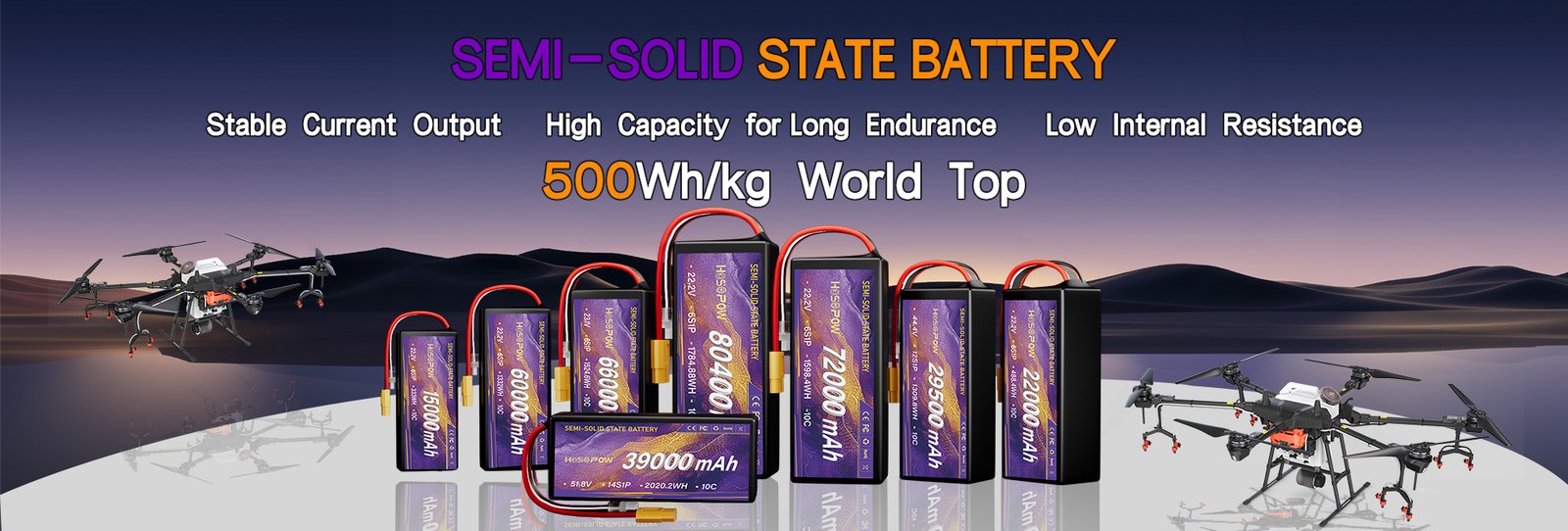
🚁 2. eVTOLs and Industrial Drones (The Golden Scenario)
- The Use Case: Electric Vertical Take-Off and Landing aircraft and heavy-payload logistics drones.
- The Impact: In aviation, weight equals cost. Semi-solid batteries provide the >300 Wh/kg threshold required for flight while offering “zero-tolerance” safety. They also perform exceptionally well in high-altitude, cold-weather environments (-20°C).
🔋 3. Grid and Commercial Energy Storage
- The Use Case: Urban grid stabilization, data center backup, and chemical park power supplies.
- The Impact: Safety is paramount in densely populated areas. The recent connection of the 200MW/400MWh semi-solid storage project in Zhuhai, China, proves this technology is ready for large-scale grid deployment.
💻 4. Explosion-Proof & Hazardous Environments
- The Use Case: Mining equipment, oil rigs, and industrial sites.
- The Impact: These environments require absolute safety. Semi-solid batteries can withstand internal short circuits (3mΩ) without catching fire or leaking, making them compliant with the strictest global防爆 (explosion-proof) standards.
4. Limitations to Note
While impressive, it is important to maintain rational expectations:
- Not Fully Solid: They still contain trace liquids. While significantly safer, they haven’t completely eliminated all long-term high-temperature aging effects associated with liquid electrolytes.
- Cost Premium: They remain more expensive than standard LFP batteries, though the gap is closing as production scales.
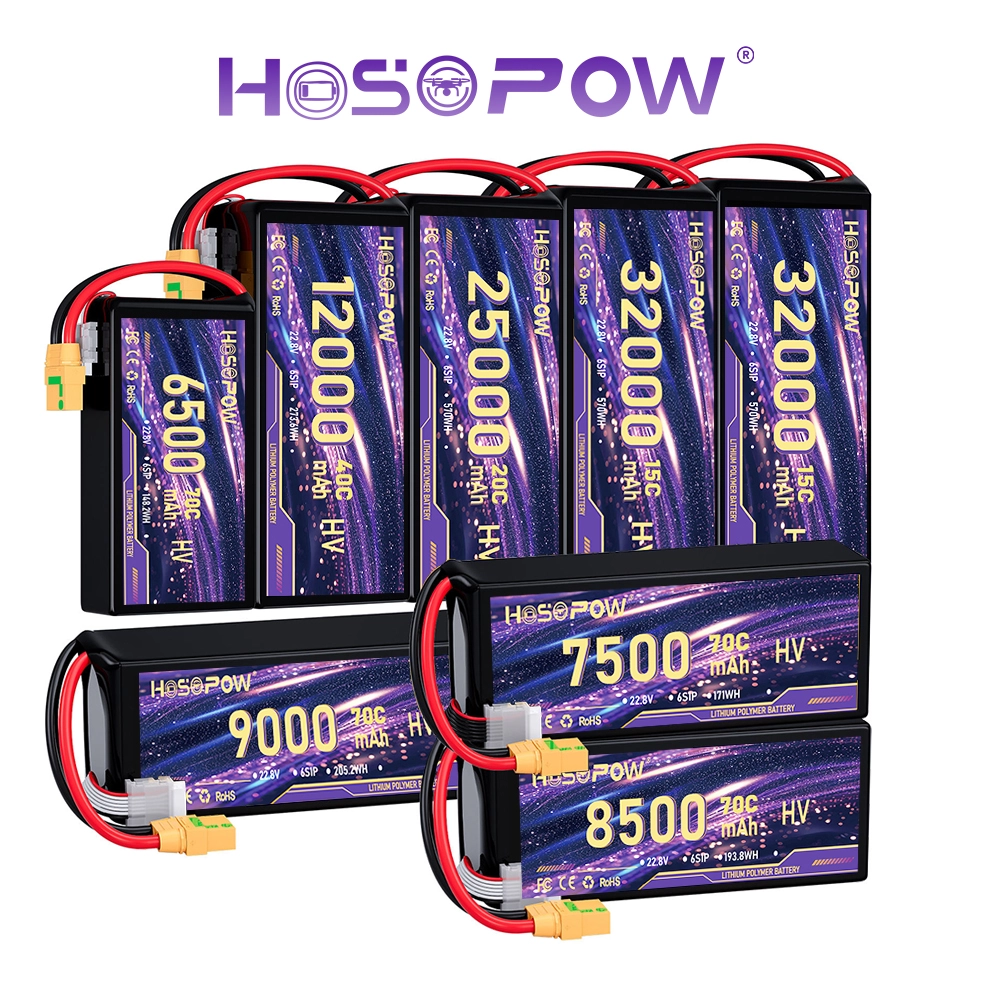
- Discharge Rates: While excellent for cruising and long endurance, extreme high-rate “racing” performance still slightly favors top-tier wound Li-Po batteries.
Conclusion: The Pragmatic Choice for 2025–2030
Semi-solid state batteries are not a compromised version of future tech; they are the most practical choice available today.
They bridge the gap between the limitations of liquid lithium-ion and the unobtainable promise of all-solid-state batteries. For the next five years, expect to see semi-solid technology dominating the high-end EV market, the low-altitude economy, and high-safety energy storage solutions.