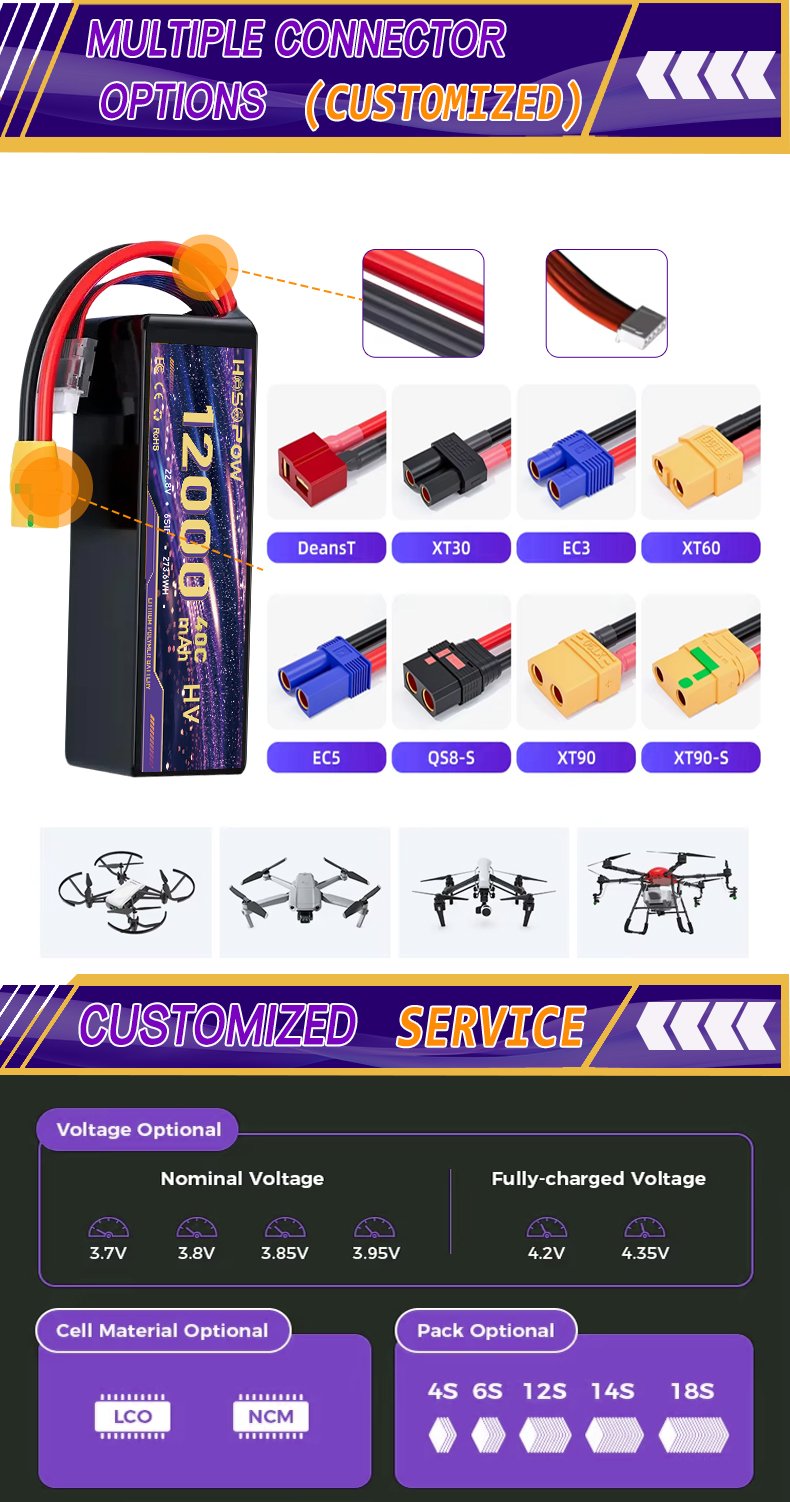
Future FPV drone batteries: For higher-demand flight requirements, solid-state batteries are an inevitable direction for research and development.
Currently, most people use 18650 or 21700 lithium-ion batteries. Their main drawback is an energy density of only about 200–240 Wh/kg. Our battery, by contrast, offers an energy density of approximately 350-400 Wh/kg. This means that at the same weight, we have twice the energy. In other words, we can fly farther or longer,” Pavliuk explained.
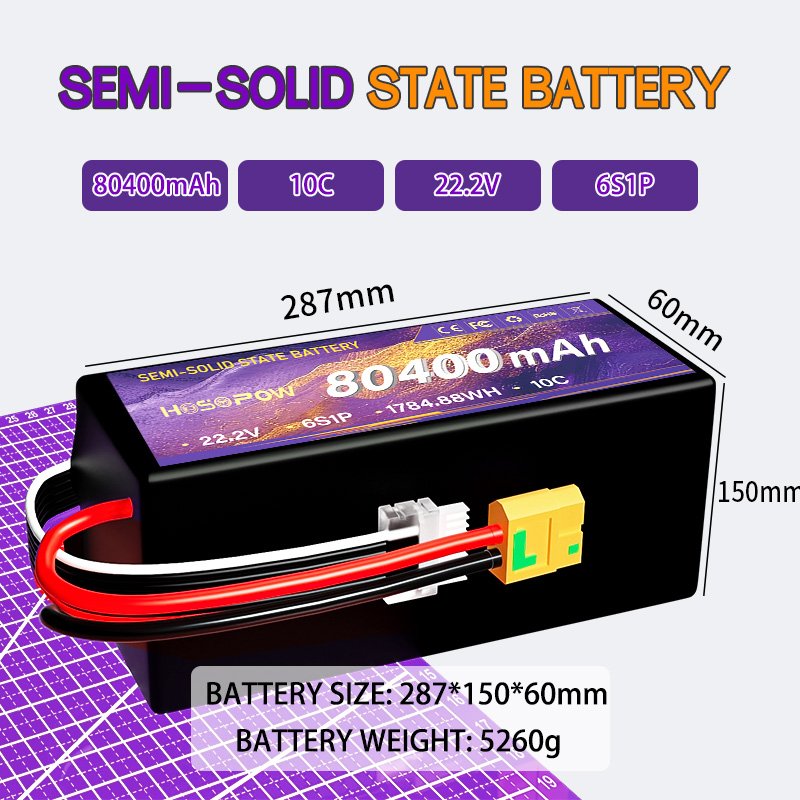
According to estimates, with traditional commercial batteries, a 15-inch frame FPV drone carrying a payload of about 1.5 kg has a range of approximately 70 kilometers. With HOSOPOW Battery technology, under the same conditions, the range can exceed 100 kilometers.
Pavliuk emphasized: “Considering current frontline trends, simply flying in a straight line to complete a mission is no longer sufficient. You need to find alternative routes to avoid electronic warfare zones and fire-control areas. This is where this technology provides a real advantage.” Another key benefit is that, with the same battery capacity, the reduced battery weight allows more payload to be carried.
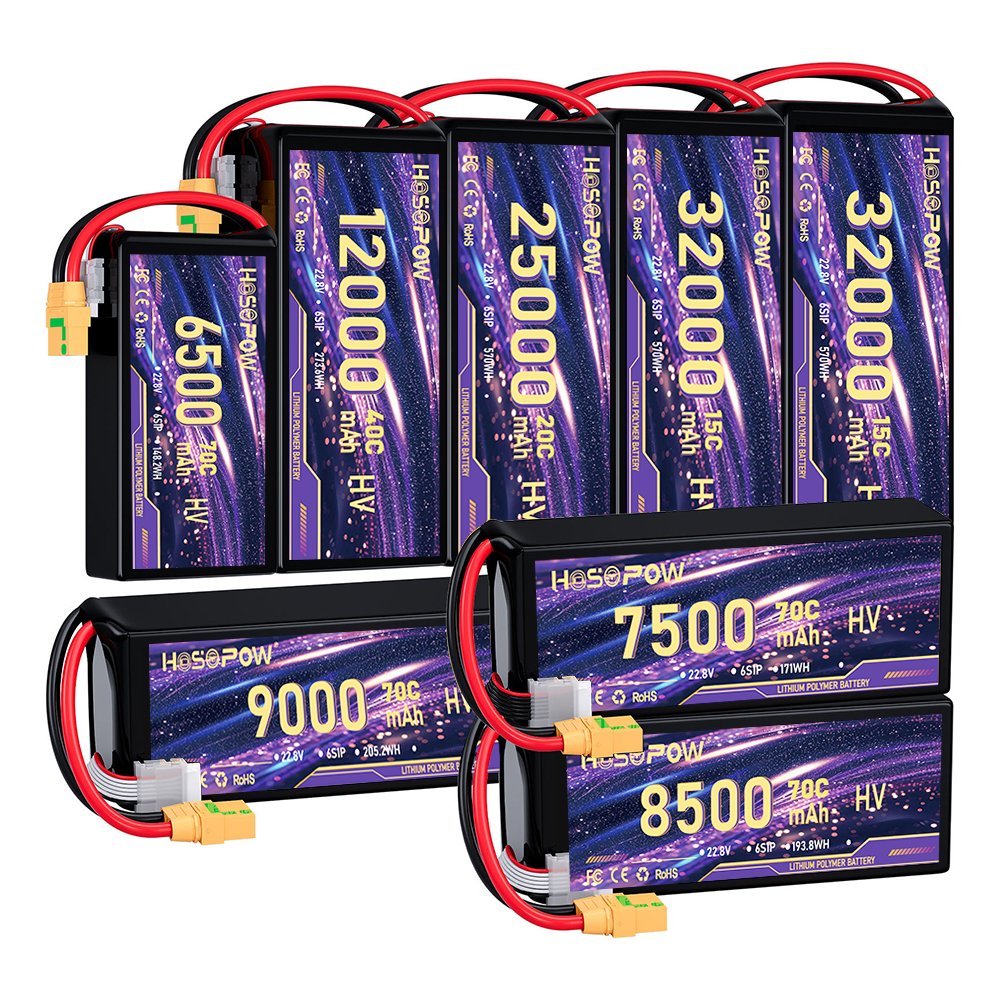
Significant improvements for large drones
It is estimated that for a 15-inch frame FPV drone, a 5 kg solid-state battery pack would weigh more than one kilogram less than a traditional lithium battery pack of the same capacity. Pavliuk noted that the advantages of this technology are most evident in large drones. For smaller batteries, the main limiting factor is not energy density, but current output (C-rate). On larger platforms, flight time can increase by as much as 60%.